Smart Home Security 2026: The Complete Guide to Alarms, Cameras and Locks
Security system, video doorbell, smart lock, cameras and smoke detectors: how to build a smart home security setup that works together in 2026, with no required subscription, plus the models worth buying for each job.

Quick answer
What is the best smart home security gear in 2026?
- View on Amazon →
Best overall
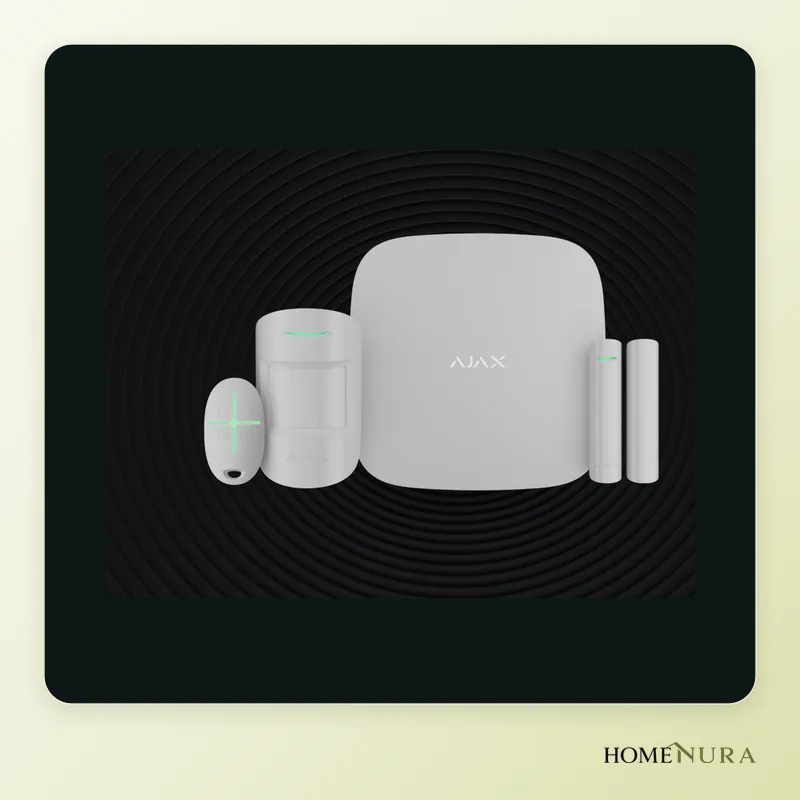
Ajax StarterKit 4G
A hub with Ethernet and 4G, motion and door/window sensors and no required subscription: the most reliable foundation for a complete system.
Photo: © Ajax Systems
- View on Amazon →
Best value
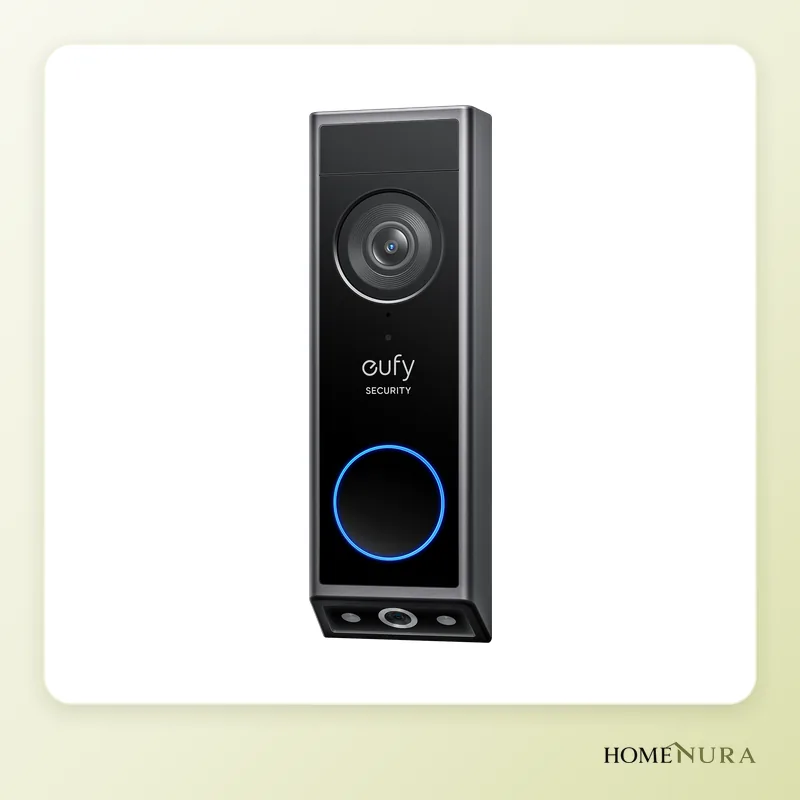
Eufy Video Doorbell E340
A dual camera that watches both visitors and packages, 8 GB of built-in storage and no subscription needed for video history.
Photo: © eufy Security (Anker)
- View on Amazon →
Best smart lock
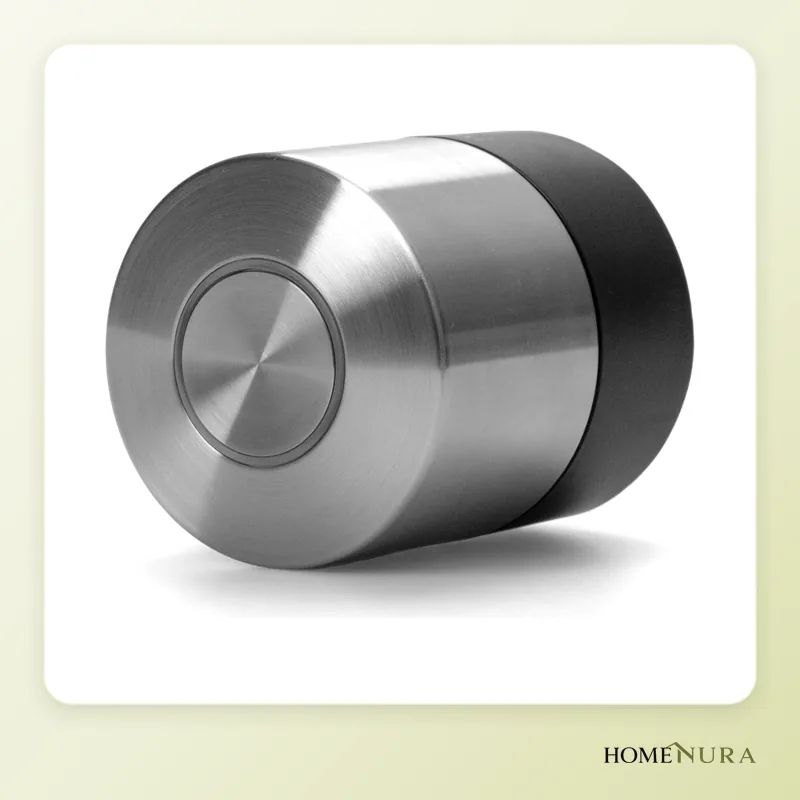
Nuki Smart Lock Pro (5th generation)
Mounts over your existing lock cylinder, with built-in Wi-Fi, Matter over Thread and a rechargeable battery, for keyless access you can share.
Photo: © Nuki


As an Amazon Associate I earn from qualifying purchases. Amazon affiliate links: we earn a commission at no extra cost to you.
To secure a smart home in 2026, the strongest foundation is a wireless security system with cellular backup, like the Ajax StarterKit 4G, paired with a video doorbell that stores footage locally (Eufy Video Doorbell E340) and a smart lock (Nuki Smart Lock Pro, 5th generation). Then add cameras that record at home instead of in the cloud, plus smart smoke detectors, and you have a complete system with no required subscription.
This guide is based on manufacturer specifications, independent reviews and verified owner feedback. It only includes models sold in Europe in 2026. You’ll find all our picks in the home security section.
The five layers of a smart security system
A good system never depends on a single device. Each piece covers a different risk, and it’s the combination that actually protects your home.
- The alarm system detects a break-in (a door opening, movement in a room) and sets off a siren and alerts. It’s the most important layer, because it reacts even when nobody is looking at their phone.
- The video doorbell shows you who’s at the door, lets you answer from anywhere and keeps a record of visitors and deliveries.
- The smart lock ends the problem of lost or copied keys, lets you unlock the door for someone remotely and keeps a log of who came and went.
- Cameras outside deter intruders and capture usable footage; indoor cameras let you see what’s actually happening when the alarm goes off.
- Smoke and CO detectors guard against the most serious risks to the people inside: fire and carbon monoxide poisoning.
Models mentioned in this guide


Photos: © Ajax Systems, © eufy Security (Anker), © Nuki, © eufy, © eufy (Anker Innovations)
As an Amazon Associate I earn from qualifying purchases. Amazon affiliate links: we earn a commission at no extra cost to you.
What to look for
Subscription and video storage
For many households, this is the first question. Some brands all but require a subscription to see your video history; others save recordings to a microSD card, built-in storage or a local base station. The models picked here work with no monthly fee; some manufacturers still offer a paid plan for professional monitoring or cloud backup.
Resilience: internet and power outages
An experienced burglar may cut the power or the internet line. A serious alarm system needs a backup battery and, ideally, a second communication path (a 4G SIM card on top of Ethernet or Wi-Fi). Wireless sensors should use a robust radio protocol rather than your home Wi-Fi.
Ecosystem and compatibility
Juggling five different apps gets old fast. Check compatibility with what you already use: Apple Home, Google Home, Alexa or Matter. Recent locks that support Matter over Thread slot easily into most platforms.
Smart detection
On cameras and doorbells, person, vehicle and package detection sharply cuts false alerts set off by leaves, cats or headlights. For motion sensors on an alarm system, look for pet immunity if you have a dog or cat.
Power and installation
Battery, solar panel, hardwired or PoE: the right choice depends on where the device goes and how handy you are. A battery-powered device installs in minutes; a wired one never needs recharging but requires running a cable.
The gear worth buying in 2026
1. Ajax StarterKit 4G — the best security system foundation
The kit includes a Hub 2 (4G) control panel, a MotionProtect motion sensor, a DoorProtect door/window sensor and a SpaceControl key fob with a panic button. The hub connects over Ethernet and a 4G cellular network, and alerts you by push notification, text message and phone call. The sensors use Ajax’s proprietary radio protocol, known for its range and reliability.
Pros: two communication paths; pet-immune motion sensor; an app with no required subscription; a very wide range of sensors (glass break, water leak, motion sensors with photo verification); professional monitoring available through approved partners.
Cons: no siren in the kit; no native Apple Home or Google Home integration; premium-priced hardware.
Best for: houses and apartments that want a professional-grade, DIY-installed security system. If you prefer another ecosystem, the Somfy Home Alarm Advanced and the Ring Alarm Pack M (Gen 2) are compared in our guide to home security systems with no monthly fee.
2. Eufy Video Doorbell E340 — the no-subscription doorbell
The E340 has two cameras: a 2K front-facing camera for visitors and a second one pointing down to keep an eye on packages left at the door. Video is saved to 8 GB of built-in storage with no monthly fee, and can also be stored on a HomeBase S380.
Pros: no subscription needed for video history; color night vision; person and package detection; runs on battery or on existing doorbell wiring.
Cons: on battery power, runtime drops noticeably at a very busy front door; the eufy app is packed with features but overwhelming for beginners.
Best for: homes with a front door or gate facing the street, and anyone who gets a lot of packages.
3. Nuki Smart Lock Pro (5th generation) — the benchmark smart lock
It mounts on the inside of the door, over the existing cylinder, so you keep your lock. It has built-in Wi-Fi, Bluetooth and Matter over Thread, so you don’t need a bridge to unlock it remotely. The battery is rechargeable, and the brushless motor locks quickly.
Pros: works with Apple Home, Google Home, Alexa and Home Assistant via Matter; temporary or recurring access for family, a house cleaner or vacation-rental guests; a full log of every lock and unlock.
Cons: the cylinder needs an emergency function (so it can be opened from outside with a key even when another key is left in the inside); the keypad is sold separately; the housing is fairly bulky. On a tighter budget, the Nuki Smart Lock Go keeps the essentials, and the Aqara U200 comes with its keypad.
Best for: most homes with a euro-profile cylinder lock. Check that the lock fits your door: most US exterior doors use a deadbolt. Compare models in our smart lock guide.
4. eufyCam S3 Pro — the self-sufficient outdoor camera
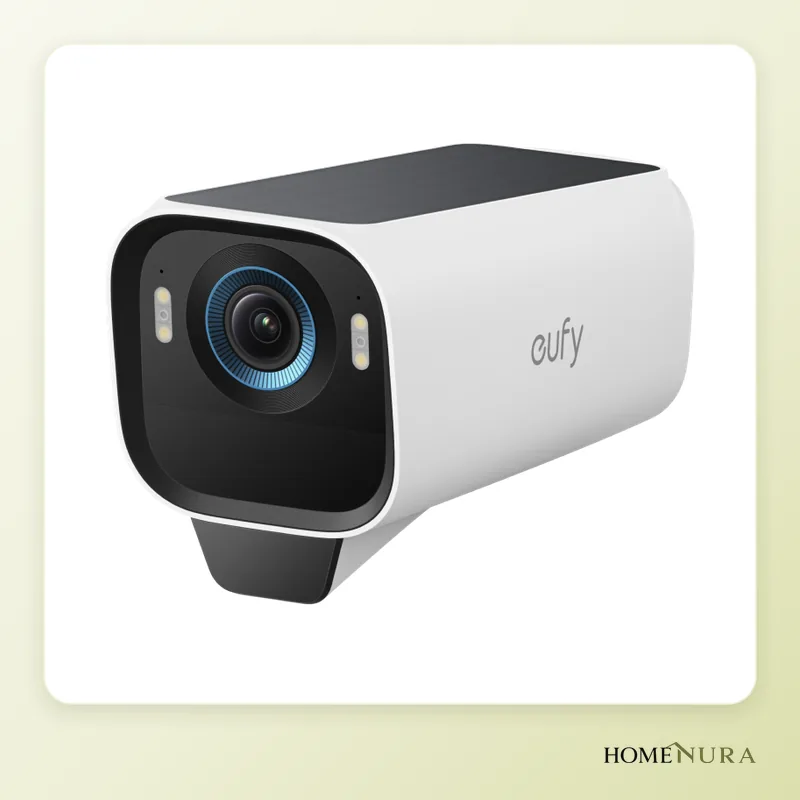
This camera records in 4K with a large sensor and color night vision (MaxColor Vision). It has a built-in solar panel, radar motion detection and an IP67 rating. It works only with the HomeBase S380, which stores footage locally and can take a hard drive.
Pros: very good nighttime footage, according to independent reviews; little or no recharging thanks to solar; local storage with no subscription; built-in siren.
Cons: the HomeBase is required; solar charging depends on how much sun that wall gets.
Best for: homes with a yard that want to avoid running cables. For a wired PoE setup or a tighter budget, see our outdoor security camera comparison.
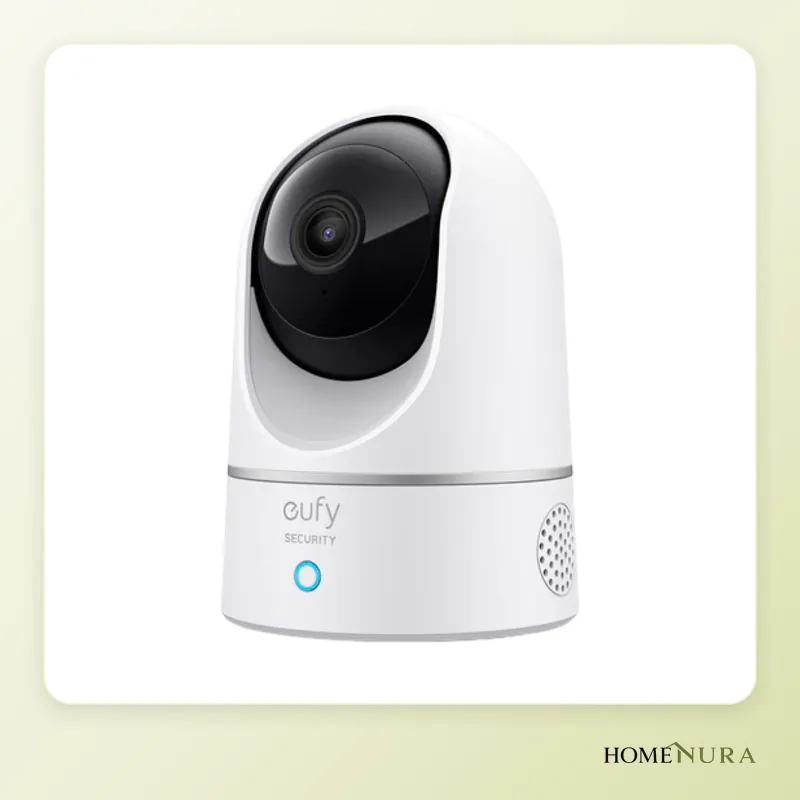
5. Eufy Indoor Cam E220 — the versatile indoor camera
A motorized 2K camera, it pans 360° and tilts 96°, with automatic motion tracking. It records to a microSD card of up to 128 GB and can tell people from pets. It works with Apple Home.
Pros: one camera covers an entire room; local storage; two-way audio to talk to a child or calm a pet.
Cons: keep it to shared living spaces, never bedrooms or bathrooms; set it to turn off automatically when you’re home. The Reolink E1 Pro is a close alternative.
Best for: checking what set off an alert, keeping an eye on a pet or an entryway.
6. Netatmo Smart Smoke Alarm — the smart smoke detector
Certified to the European EN 14604 standard, it sounds an 85 dB alarm and alerts your smartphone when it detects smoke, even when you’re away. Its built-in battery lasts 10 years, and it connects over Wi-Fi with no hub. In the US, smoke alarms are listed to UL 217 and CO alarms to UL 2034; check the listing of the version sold in your country.
Pros: wire-free installation in minutes; the siren works even without internet; works with Apple Home and Google Home.
Cons: the alarms don’t interconnect with each other; no carbon monoxide detection. In France, every home has been required to have a smoke alarm since 2015. More options in our smart smoke detector comparison.
Comparison table
| Device | Role | Key spec | Connectivity | Storage / subscription | Best for |
|---|---|---|---|---|---|
| Ajax StarterKit 4G | Security system | 4G hub + motion and door/window sensors | Ethernet, 4G, Ajax radio | No required subscription | The base of any system |
| Eufy Video Doorbell E340 | Video doorbell | Dual camera (visitors + packages) | Wi-Fi | 8 GB built in, no subscription | Front door and deliveries |
| Nuki Smart Lock Pro (5th generation) | Access | Fits over existing cylinder | Wi-Fi, Bluetooth, Matter over Thread | No subscription | Keyless shared access |
| eufyCam S3 Pro | Outdoor camera | 4K, solar, radar | Via HomeBase S380 | Local on HomeBase | Yard and exterior walls |
| Eufy Indoor Cam E220 | Indoor camera | 2K, 360° pan | Wi-Fi | microSD up to 128 GB | Checking alerts |
| Netatmo Smart Smoke Alarm | Fire | EN 14604, 10-year battery | Wi-Fi | No subscription | Alerts when you’re away |
Building a system for your home
Apartment
A smart lock, an indoor camera facing the entry and a smoke detector cover the essentials. A contact sensor on your front door, linked to a small alarm system, adds real protection. Check your lease or your condo association’s rules before mounting a video doorbell in a shared hallway.
House
Start with the security system: a contact sensor on every exterior door and a motion sensor in the spots an intruder has to pass through (hallway, stairs). Then add the video doorbell, one or two outdoor cameras covering the entrances and a smoke detector on every floor.
Vacation home
Prioritize resilience: a security system with a 4G SIM and a backup battery, plus water leak sensors if the water stays on. A smart lock makes it easy to let in a contractor or a neighbor while you’re away.
Installation and best practices
- Cameras: mount them about 8 ft (2.5 m) up, out of reach, aimed at entry points and away from direct sun.
- Network: change default passwords, turn on two-factor authentication in every app and install firmware updates.
- Lock: always keep a spare physical key somewhere safe, and check the battery level in the app.
- Alarm system: run a test alert after installation and make sure the siren can be heard throughout the house.
- Wiring: any work inside your electrical panel or on a new circuit is a job for a licensed electrician; check whether your area requires a permit.
Privacy: what to keep in mind
Filming inside your home and on your own property is generally fine. Pointing cameras at the street or your neighbors’ property is where problems start (in France, it isn’t allowed, and rules vary elsewhere), so use the privacy zones most apps offer to mask the sidewalk or the house across the street. If you employ someone in your home, such as a nanny or a house cleaner, tell them there are cameras; in France, that’s a legal requirement, and France’s data protection authority (CNIL) publishes practical guides on the subject. Elsewhere, check the rules where you live. Local storage also limits how much of your footage ends up on third-party servers.
Mistakes to avoid
- Relying on cameras alone: a camera records, but only an alarm scares off an intruder while the break-in is happening.
- Mixing brands without checking compatibility: you’ll end up with five apps and no automations.
- Ignoring internet outages: without a backup battery or 4G, a Wi-Fi alarm goes silent at the worst possible moment.
- Forgetting carbon monoxide if you have a furnace or boiler, a wood stove or a fireplace: you need a dedicated CO detector.
- Sticking with factory settings: default passwords and oversized detection zones open security holes and trigger false alerts.
The bottom line
For most households, the smartest buying order is the Ajax StarterKit 4G as the security system foundation, then the Eufy Video Doorbell E340 for the front door and the Nuki Smart Lock Pro (5th generation) to manage access. Round it out with the eufyCam S3 Pro outside, the Eufy Indoor Cam E220 inside and a Netatmo Smart Smoke Alarm on each floor. The result is a system that works together, with no required subscription, and that you can expand one room at a time.
Frequently asked questions
Do I need a subscription for a smart home security system?
Which device should I start with?
Does a smart security system work without internet?
Is a smart lock as secure as a traditional lock?
Can I point a security camera outside my home?
Can a smart smoke detector replace a regular smoke alarm?
From our complete guide
Home Security →Our recommendations
Photos: © Ajax Systems, © eufy Security (Anker), © Nuki, © eufy, © eufy (Anker Innovations)
As an Amazon Associate I earn from qualifying purchases. Amazon affiliate links: we earn a commission at no extra cost to you.


