Best Home Batteries for Solar Panels of 2026: Plug-In vs. Hardwired
Which battery should you choose to store your solar power in 2026? We compare plug-in batteries (Anker Solarbank 3, Marstek Venus E, Zendure SolarFlow, EcoFlow STREAM) and hardwired systems (Tesla Powerwall 3, Huawei LUNA2000) on capacity, AC/DC coupling, zero export and backup.

Quick answer
What is the best home battery for solar panels in 2026?
- View on Amazon →
Best overall
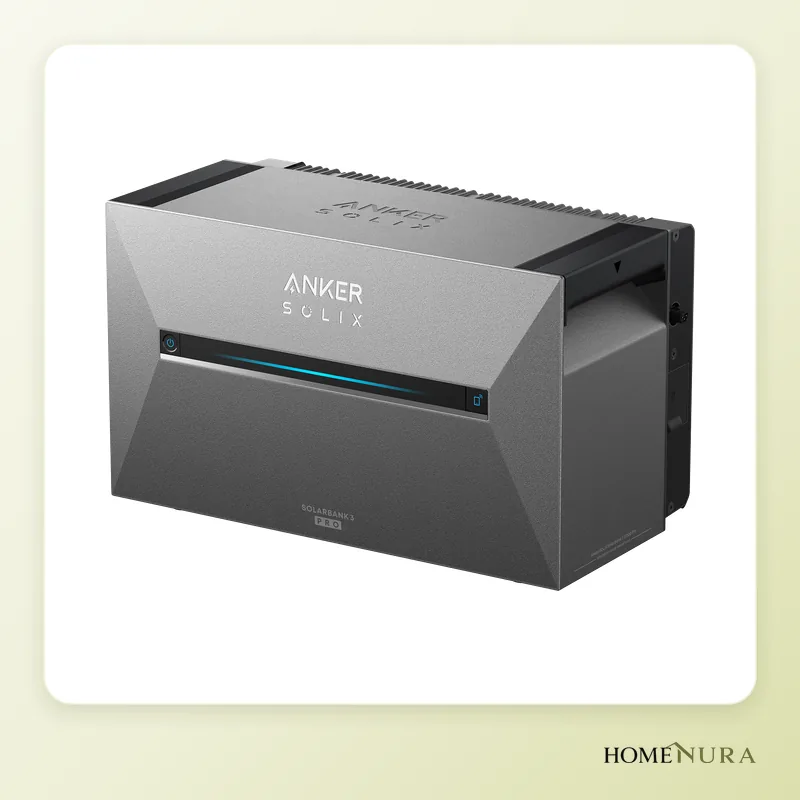
Anker SOLIX Solarbank 3 E2700 Pro
All-in-one 2.7 kWh plug-in battery with solar inputs, smart meter control and expansion beyond 10 kWh.
Photo: © Anker SOLIX
- View on Amazon →
Best value
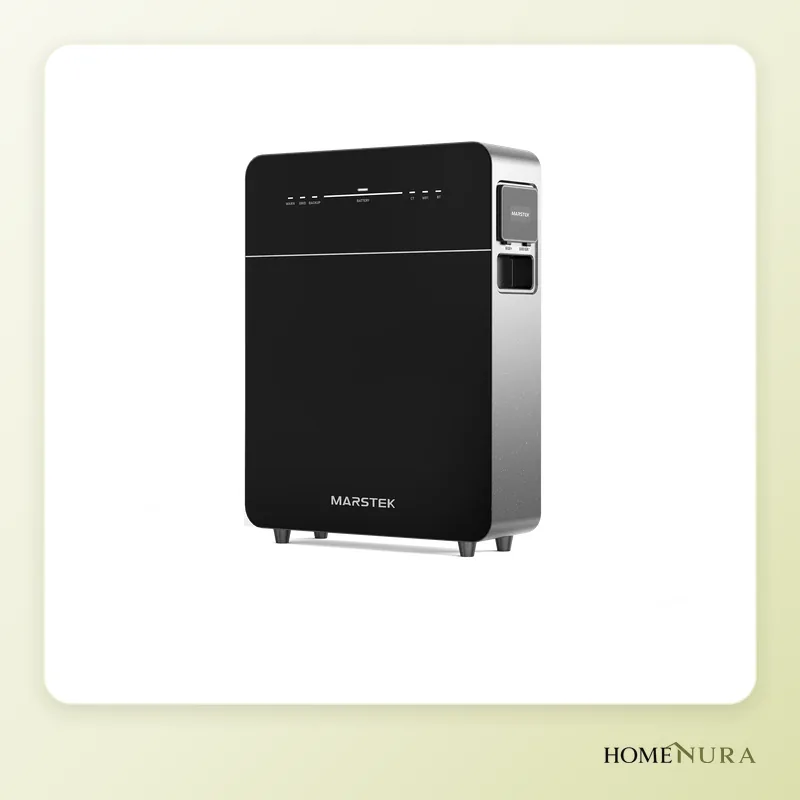
Marstek Venus E 3.0
5.12 kWh of LiFePO4 in a single AC-coupled unit that works with any solar setup and includes a backup outlet.
Photo: © Marstek
- View on Amazon →
Best for whole-home backup
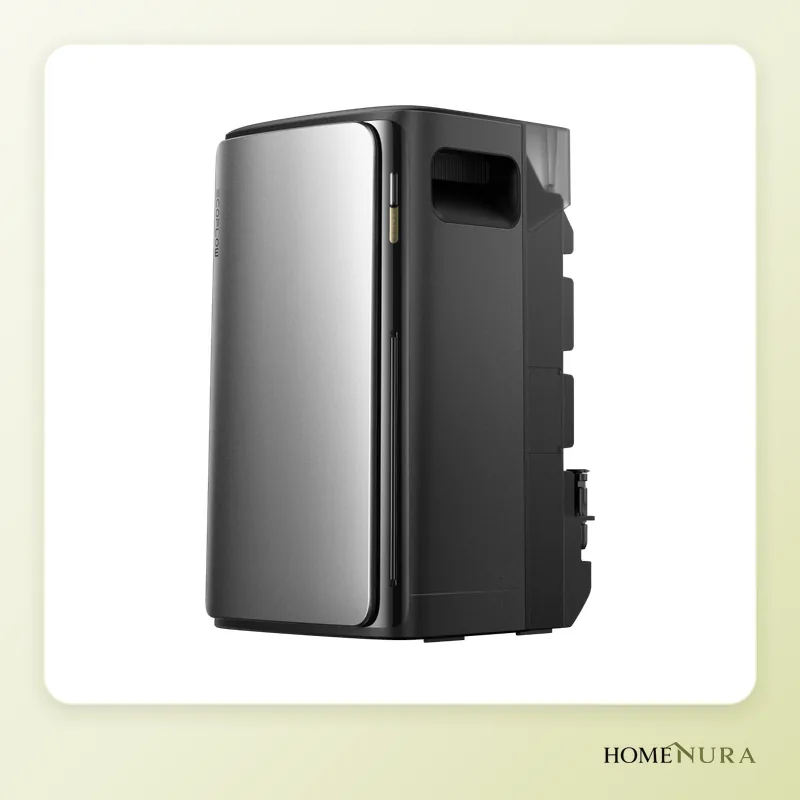
Tesla Powerwall 3
13.5 kWh usable, a built-in solar inverter and up to 11.04 kW of output, with installation by a certified installer.
Photo: © Tesla


As an Amazon Associate I earn from qualifying purchases. Amazon affiliate links: we earn a commission at no extra cost to you.
In 2026, the best home battery for storing your own solar power depends first on your setup: with a balcony solar kit, a plug-in battery such as the Anker SOLIX Solarbank 3 E2700 Pro or the Marstek Venus E 3.0 is enough; with rooftop panels, a hardwired battery installed by a pro, such as the Tesla Powerwall 3 or the Huawei LUNA2000, is the better fit. Either way, the deciding factor is smart meter control, which lets the battery release stored energy exactly when the house needs it.
This comparison is based on manufacturer datasheets, published independent reviews and verified owner reviews. It covers the two main types of home solar storage sold in Europe, explains the concepts that really matter (kWh, kW, AC or DC coupling, zero export, backup) and outlines the installation precautions. If you're new to solar, start with our guide to balcony solar panels, then come back here to choose your storage.
Plug-in or hardwired battery: two very different types
Plug-in batteries (often called balcony batteries) plug into an outlet, or sit between the panels and the outlet. They're designed for solar kits from a few hundred watts up to about 2 kW, install without any construction work and send energy back through the home's wiring, within the power limit allowed on an outlet. Their capacity ranges from roughly 2 to 5 kWh per unit, expandable with extra modules.
Hardwired batteries are wired into the electrical panel and paired with a hybrid inverter or microinverters. They're aimed at rooftop systems of 3 to 9 kW and up, offer 5 to more than 13 kWh per unit, deliver several kilowatts and, depending on the setup, can provide true backup for all or part of the home. They must be installed by a qualified installer.
Models mentioned in this guide

- Zendure SolarFlow 2400 ACView on Amazon →

Photos: © Anker SOLIX, © Marstek, © Tesla, © EcoFlow
As an Amazon Associate I earn from qualifying purchases. Amazon affiliate links: we earn a commission at no extra cost to you.
How to choose a solar battery
Capacity (kWh) and power (kW): don't mix them up
Capacity, in kilowatt-hours, is the amount of energy stored: the tank. Power, in kilowatts, is how fast the battery can deliver it at any given moment: the faucet. A 5 kWh battery limited to 800 W takes more than six hours to drain and can't run an oven or a cooktop on its own; a hardwired battery of the same capacity that delivers several kilowatts will cover those peaks. To size your system, start from your evening and overnight consumption (often 3 to 8 kWh for a house) and the solar surplus you actually have during the day.
LiFePO4 chemistry: the standard for home storage
Every model in this comparison uses lithium iron phosphate (LiFePO4 or LFP) cells. This chemistry is more thermally stable than the NMC chemistry used in phones and older batteries, and it handles several thousand cycles. Look at the warranty length, the rated cycle count and the guaranteed remaining capacity at the end of the warranty rather than at marketing claims about lifespan.
AC or DC coupling
A DC-coupled battery sits on the direct-current side, between the panels and the inverter (usually a hybrid inverter): solar energy is stored without an extra conversion, which cuts losses. The Tesla Powerwall 3 and the Huawei LUNA2000 with its inverter work this way. An AC-coupled battery connects on the alternating-current side, after the existing inverter: it's easy to add to a system you already have, at the cost of extra conversions. The Zendure SolarFlow 2400 AC, the Marstek Venus E 3.0 and the Enphase IQ Battery 5P are AC-coupled. Some plug-in batteries, such as the Anker Solarbank 3 or the EcoFlow STREAM Ultra, combine direct solar inputs with an AC output.
Zero export and smart meters
Without metering, a plug-in battery discharges at a fixed rate whether or not anything is drawing power, so some of the stored energy flows back to the grid for free. With a smart meter (a P1 port reader for European smart meters, a CT clamp or a third-party meter such as the Shelly Pro 3EM), the battery matches its discharge to household demand in real time and aims for near-zero export. This accessory makes the biggest difference in how much of your own solar power you actually use. Check compatibility with your meter and electrical panel before you buy.
Backup during power outages
A grid-tied battery doesn't automatically keep the house running during an outage: for safety reasons, its grid output shuts off. Plug-in models usually offer a separate backup outlet for a few priority devices (router, refrigerator). Backup for all or part of the home requires a hardwired battery and a transfer switch installed by a professional.
Expandability, app and warranty
Choose a system that accepts extra modules, with a clear app that shows production and consumption history, regular updates and, for hardwired batteries, a warranty of at least 10 years.
The best home batteries for solar in 2026
1. Anker SOLIX Solarbank 3 E2700 Pro: the best plug-in battery
The Solarbank 3 E2700 Pro packs a LiFePO4 battery of about 2.7 kWh, solar inputs with MPPT controllers and an inverter into one IP65 weatherproof unit. Panels connect on one side and an outlet on the other, and it feeds up to 800 W into the home's wiring. Paired with the Anker smart meter or a P1 reader, it adjusts its discharge to actual demand. An off-grid output can power devices up to 1,200 W during an outage, and expansion batteries take capacity well beyond 10 kWh.
Pros: all-in-one, mature smart meter control, expandable, built for outdoor use. Cons: grid output capped by the plug-in power limit, weighs about 64 lb (29 kg). Best for: owners of a balcony or small ground-mounted kit who want a simple setup that can grow.
2. Marstek Venus E 3.0: the most plug-in capacity
The Marstek Venus E 3.0 is a 5.12 kWh AC-coupled LiFePO4 battery rated for more than 6,000 cycles. It charges and discharges through the home's wiring, at up to 2,500 W depending on the setup, so you can add it to any existing system regardless of panels or inverter. It works with the Marstek CT002 clamp or a Shelly Pro 3EM meter for zero export, and includes a backup outlet that delivers up to 2,500 W during an outage. Capacity can be expanded to 15.36 kWh.
Pros: lots of kWh per unit, powerful backup outlet, works with any inverter. Cons: about 121 lb (55 kg), no direct solar input, and running above 800 W on an outlet means checking local rules and often a dedicated circuit. Best for: households that already have panels and want to maximize stored capacity.
3. Zendure SolarFlow 2400 AC: expandable AC storage
The SolarFlow 2400 AC is an AC-coupled control unit paired with AB3000X batteries of 2.88 kWh each, up to six modules and 17.28 kWh. On a standard outlet it delivers up to 800 W; connected to a dedicated circuit by an electrician, it can reach 2.4 kW. It relies on a smart meter (P1 reader, Zendure clamps or Shelly 3EM and Pro 3EM) to charge from surplus and discharge as close as possible to demand. A 2,400 W off-grid output takes over during a power outage.
Pros: modular, efficient, works with a wide range of meters. Cons: no direct solar input, full power requires suitable wiring. Best for: anyone with an existing solar system, balcony or rooftop, who wants to add storage in stages.
4. EcoFlow STREAM Ultra: compact and built for balconies
The EcoFlow STREAM Ultra combines a 1.92 kWh LFP battery, a built-in microinverter and four MPPT inputs for up to 2,000 W of panels. It feeds up to 800 W into the home's wiring, has an outlet that powers devices up to 1,200 W and works with an EcoFlow or Shelly smart meter. Its self-heating IP65 enclosure is designed for outdoor use, and additional STREAM batteries increase capacity.
Pros: compact, plenty of solar inputs, complete EcoFlow ecosystem. Cons: modest base capacity for a house. Best for: apartments and small houses with a balcony kit, or owners of other EcoFlow products.
5. Tesla Powerwall 3: the benchmark for whole-home storage
The Tesla Powerwall 3 is a hardwired battery with 13.5 kWh of usable energy and its own built-in solar inverter: panels connect to it directly on the DC side, with no separate inverter. Its output can be configured from 3.68 to 11.04 kW depending on the country and connection, enough for power-hungry appliances. Installed with the Tesla Gateway, it can back up all or part of the home during an outage, and expansion units take the system up to 54 kWh. It can be installed indoors or outdoors.
Pros: high capacity and power, integrated inverter, polished app. Cons: about 285 lb (130 kg), installation only by a Tesla-certified installer, premium price tier. Best for: homes with a new or upgraded rooftop system that want backup and long runtime.
6. Huawei LUNA2000-7-S1: the modular battery for hybrid inverters
The Huawei LUNA2000-7-S1 is a 6.9 kWh high-voltage LiFePO4 module, stackable up to 20.7 kWh per tower, with up to 3.5 kW of charge and discharge per module. It's DC-coupled to a Huawei SUN2000 hybrid inverter and managed in the FusionSolar app. With the matching backup box, it can power priority circuits during an outage. Its IP66 rating means it can go in a garage or a sheltered outdoor spot.
Pros: fine-grained modularity, widely used by European installers, high DC efficiency. Cons: requires a compatible Huawei inverter, professional installation required. Best for: rooftop systems that have, or will have, a Huawei inverter.
Other hardwired options: BYD Battery-Box Premium HVS and Enphase IQ Battery 5P
The BYD Battery-Box Premium HVS is a high-voltage LFP tower of 5.1 to 12.8 kWh that works with many hybrid inverters on the market (Fronius, SMA, Kostal and GoodWe, among others): a good choice if your installer already works with one of these brands. The Enphase IQ Battery 5P is a 5 kWh AC-coupled battery with integrated microinverters, delivering up to 3.84 kW continuous on single-phase power, expandable and three-phase compatible thanks to FlexPhase. It slots naturally into existing Enphase systems and provides backup with the dedicated system controller.
Comparison table
| Model | Type | Base capacity | Coupling | Meter control | Best for |
|---|---|---|---|---|---|
| Anker SOLIX Solarbank 3 E2700 Pro | Plug-in | 2.7 kWh | PV inputs + AC output | Anker meter, P1 reader | Balcony kit that can grow |
| Marstek Venus E 3.0 | Plug-in | 5.12 kWh | AC | CT002, Shelly Pro 3EM | High capacity, retrofit |
| Zendure SolarFlow 2400 AC | Modular plug-in | 2.88 kWh | AC | P1, clamps, Shelly 3EM | Storage in stages |
| EcoFlow STREAM Ultra | Plug-in | 1.92 kWh | PV inputs + AC output | EcoFlow meter, Shelly | Apartments, small balconies |
| Tesla Powerwall 3 | Hardwired | 13.5 kWh | DC (built-in inverter) | Tesla Gateway | Whole-home backup |
| Huawei LUNA2000-7-S1 | Modular hardwired | 6.9 kWh | DC (Huawei inverter) | Huawei meter | Rooftop with Huawei inverter |
Mistakes to avoid
- Oversizing capacity: a battery that never fills up for lack of solar surplus is money sitting idle. Compare your summer and winter production with your evening consumption.
- Skipping the smart meter: without metering, discharge is fixed and some of the stored energy goes to the grid.
- Confusing backup with whole-home power: a plug-in battery doesn't keep the whole house running during an outage, only the devices plugged into its backup outlet.
- Using an extension cord or power strip: a battery that feeds into the home's wiring must plug into a suitable wall outlet, ideally on a circuit in good condition that isn't overloaded.
- Ignoring placement: stay within the stated temperature range, avoid constant direct sun and enclosed spaces, and leave the ventilation clearance the manufacturer specifies.
Installation, regulations and safety
Hardwired batteries must be installed by a qualified installer: connection to the electrical panel, electrical protection, inverter setup and, for backup, a device that isolates the home from the grid. Hire a licensed installer with solar and storage experience, and check your local building code and whether a permit is needed.
For plug-in batteries, the safe rule is simple: stay within the power allowed on an outlet where you live, never connect several feed-in devices to the same circuit without an electrician's advice, and have models set above that limit connected to a dedicated circuit. Models sold in Europe are built for 230 V; check that the version on your Amazon store is rated for 120 V. Rules vary by country and grid operator: in France, any grid-connected generating system, even a balcony kit, must in principle be declared to the grid operator, and in Germany balcony systems are limited to 800 W of inverter output and must be registered. In the US, rules for plug-in solar vary by state and utility, so check with your utility, and with your home insurer, before you switch anything on.
To go further with energy management, read our smart home energy-saving guide, and browse every model in our home batteries section.
The bottom line
For a balcony solar kit, the Anker SOLIX Solarbank 3 E2700 Pro is the most balanced choice: all-in-one, meter-controlled and expandable. If you already have panels and want the most kWh in a single unit, the Marstek Venus E 3.0 offers the largest plug-in capacity in this comparison, while the Zendure SolarFlow 2400 AC suits anyone who wants to expand storage in stages. For a rooftop system and true whole-home backup, the Tesla Powerwall 3 is still the benchmark, and the Huawei LUNA2000 is the obvious pick if your inverter is already a Huawei. Whatever you choose, the smart meter and a code-compliant installation matter as much as the battery itself.
Frequently asked questions
What size battery do I need for solar panels?
Can a plug-in battery go into a regular outlet?
Do I need a smart meter with a solar battery?
Will a solar battery power my home during a power outage?
Can I add a battery to an existing solar system?
Are LiFePO4 batteries safe to use at home?
From our complete guide
Energy & Smart Home →Our recommendations
- Zendure SolarFlow 2400 ACView on Amazon →
Photos: © Anker SOLIX, © Marstek, © Tesla, © EcoFlow
As an Amazon Associate I earn from qualifying purchases. Amazon affiliate links: we earn a commission at no extra cost to you.


